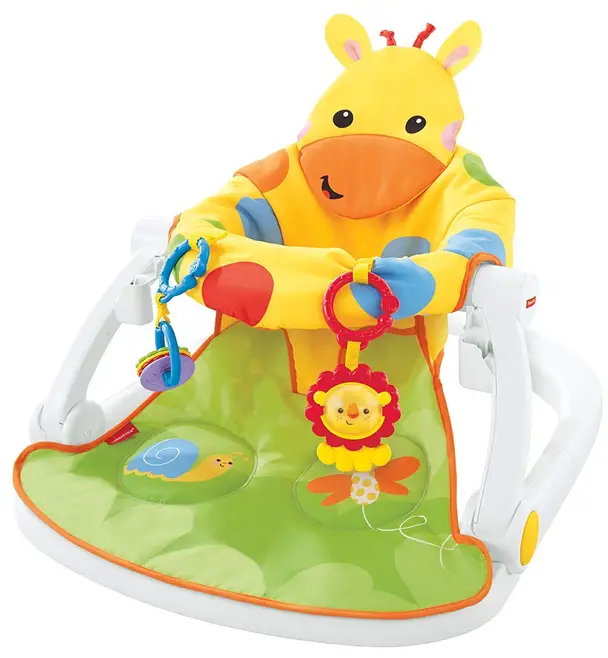
Fisher Price Giraffe Sit-Me-Up Floor Seat
 48
48 First box delivered FREE
 The most sustainable way to play
 Sell toys back to earn credit. First box delivered FREE The most sustainable way to play Sell toys back to earn credit.48
 90
90 47
47 40
40 25
25 15
15 42
42 13
13 40
40 10
10 40
40 13
13 30
30 37
37 6
6 13
13 25
25 65
65 14
14
 25
25 13
13 75
75 9
9 9
9
40
15
40
25
16
25
10
37
43
13
10
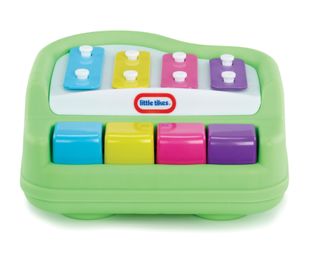
13
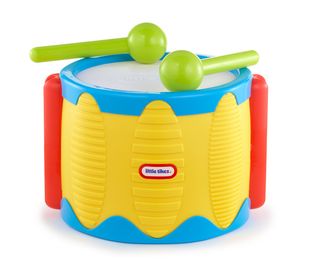
13
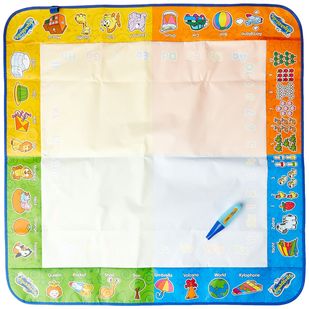
21
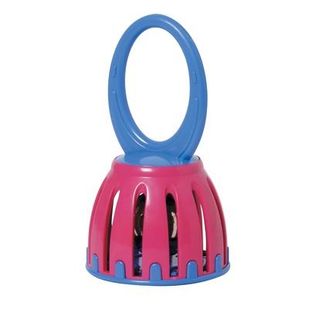
6
22
30
40
24
25
8
9
90
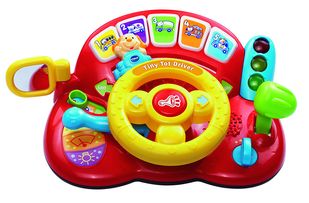
22
40
15
40
25
16
25
10
37
43
13
10
13
13
21
6
22
30
40
24
25
8
9
90
22
Love a Whirli toy? Buy it. Choose brand new or gently pre-loved at a discount. Save money and keep great toys in play longer.

Done playing? Sell toys back to us. We'll give them a new home with another family, and you'll get credit towards your next toy adventure.
Gift a toy to someone special. They can love and keep it, or swap for subscription credit. Either way, it's the gift that keeps on giving.





© 2026 Whirli Ltd. Whirli is a trading name of Rotate-It Ltd, registered in England and Wales. Company number: 14161680.