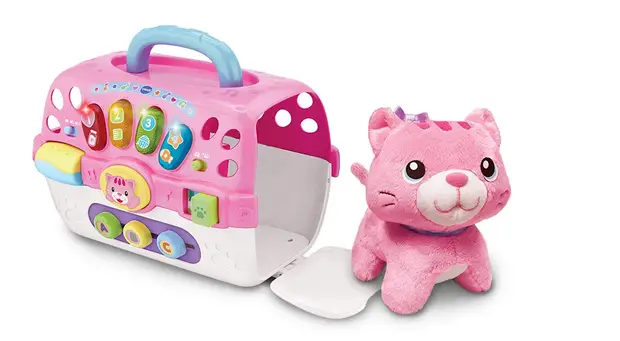
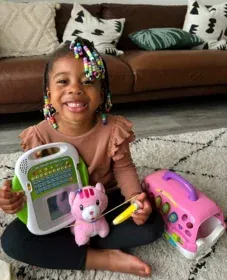
VTech Pink Cosy Kitten Carrier
 32
 FREE delivery and return every month
 The most sustainable way to play
 Sell toys back to earn credit. FREE delivery and return every month The most sustainable way to play Sell toys back to earn credit.32
 43
 30
 15
 45
 30
 29
 30
 55
 65
 40
 24
 24
 7
 27
 7
 31
 6
 15

 32
 15
 15
 15
 26
Empathy develops when children start to look outside of themselves and understand how someone else feels. It develops gradually as they grow. Everyday experiences like being comforted, watching how others react and talking about feelings can be adapted for play.
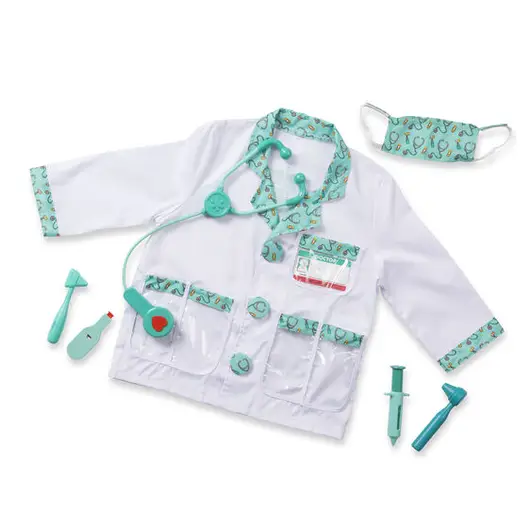
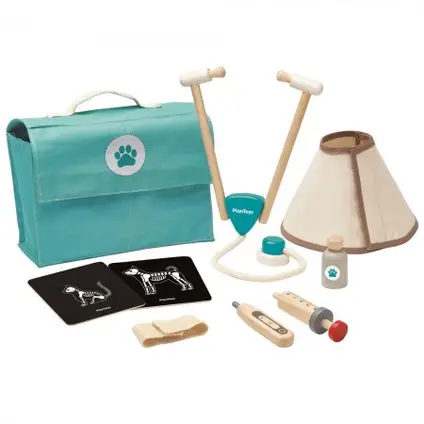
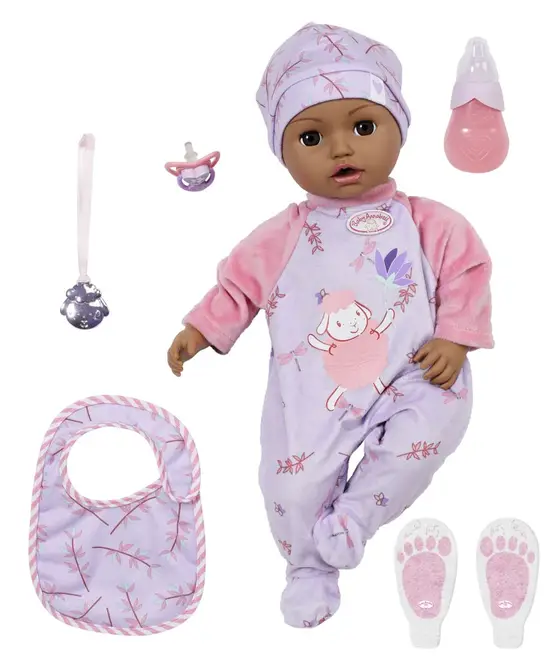
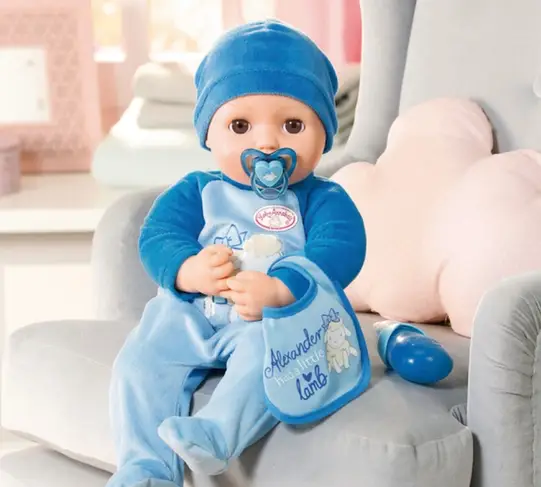
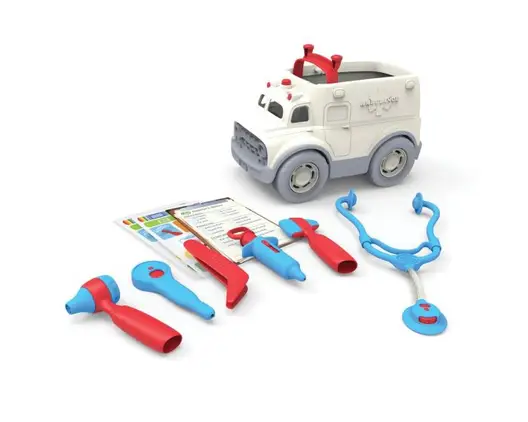
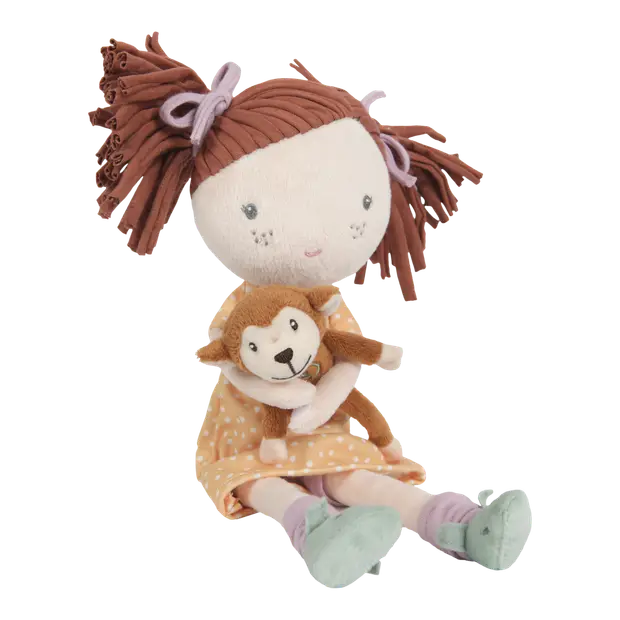
When a child looks after a doll, they are imagining what it might need. When they play nurse or doctor, they think about how a patient feels and how to help. When they read a story featuring a character who is scared or worried, they may recognise that feeling as one they have experienced.
Toys that teach empathy give children and adults something to talk about. A simple question such as “How do you think Teddy feels?” can turn a game into a conversation, without making play feel like a lesson.
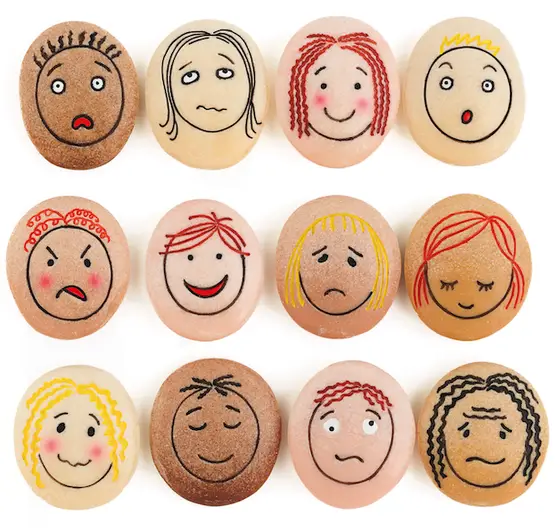
Children also need to learn words that describe their own emotions before they can recognise them in others. Toys and books that name feelings, such as happy, sad, frustrated, nervous or proud, help build that vocabulary.
40
15
40
25
16
25
10
37
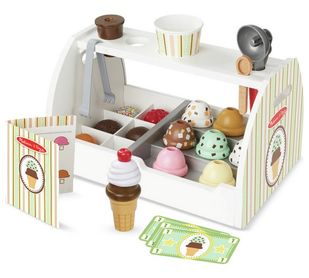
43
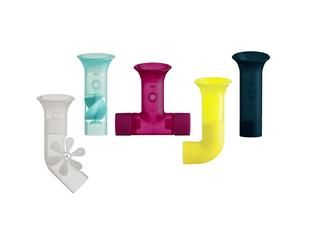
13
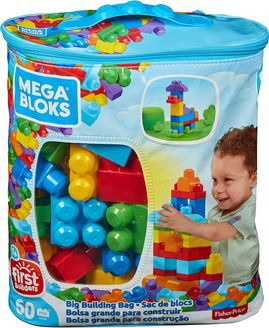
10
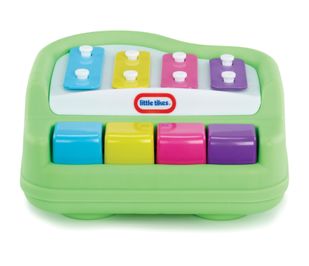
13
13
21
6
22
30
40
24
25

8
9
90
22
40
15
40
25
16
25
10
37
43
13
10
13
13
21
6
22
30
40
24
25
8
9
90
22

85


120

60

85

50
120

75

115
65
80
110
130
85
120
60
85
50
120
75
115
65
80
110
130






Love a Whirli toy? Buy it. Choose brand new or gently pre-loved at a discount. Save money and keep great toys in play longer.

Done playing? Sell toys back to us. We'll give them a new home with another family, and you'll get credit towards your next toy adventure.
Gift a toy to someone special. They can love and keep it, or swap for subscription credit. Either way, it's the gift that keeps on giving.







© 2026 Whirli Ltd. Whirli is a trading name of Rotate-It Ltd, registered in England and Wales. Company number: 14161680.